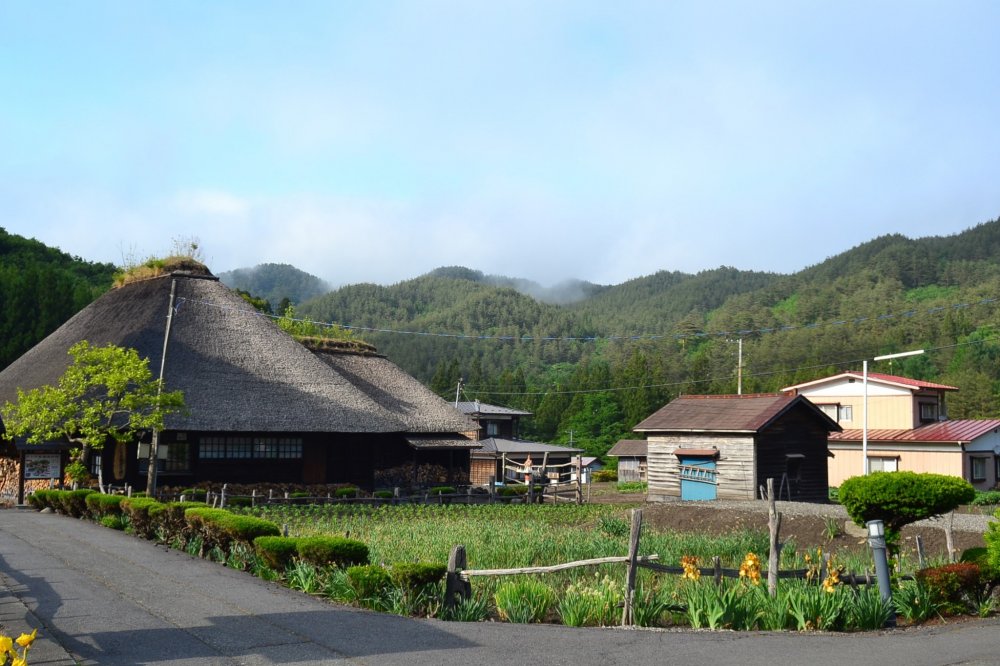


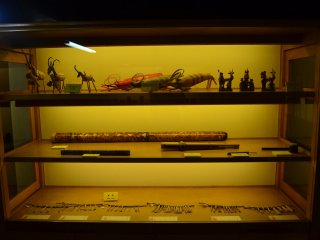
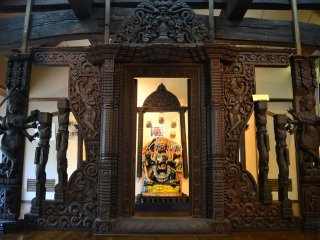
Located in the middle of pine forests, the Museum of Asian Ethno-Forms has made use of Japanese old style buildings to house the plentiful exhibits and makes for an eye-pleasing and unique destination for visitors to this part of the Kuji area. Although the buildings are typical of local vernacular architecture of the Edo Period (1605-1868), they house an interesting and unique collection of artifacts from across Asia that will give visitors a broad overview of Asian arts and culture. The Museum of Asian Ethno-Forms has collections of many items such as traditional costumes, handicrafts, and household wares. These exhibits are on display in two main buildings. The remaining buildings are used as galleries for Japanese culture exhibitions. This is truly a destination to sit down, relax and take a deep breath of the refreshing scent of the pine forest.
- 1 min read
Museum of Asian Ethno-Forms
Asian cultures in one traditional village!



Explore nearby


Join the discussion

Justin Velgus
11 years ago
I really like the shot of the Nepalese gate!! I wish the attraction hid thier powerlines underground to increase the beauty of the area >
Top Articles
-
 1
1Inside Nagasaki’s Tea World with Nagasaki Ikedoki Tea Tours
Nagasaki - Sponsored -
 2
2Nara Beyond the Crowds With Two Peaceful Retreats
Nara - Sponsored -
 3
3A Spring and Summer Guide to Lake Tazawa, Complete with the Perfect Stay
Akita - Sponsored -
 4
4Exploring Tokyo’s Food Culture
Tokyo - Sponsored -
 5
5Shopping in Ginza: 10 Unexpected Finds at Matsuya Ginza
Tokyo - Sponsored -
 6
6Ultimate Fukuoka Food Guide: Hakata Ramen, Yatai Culture & Beyond
Fukuoka - Sponsored -
 7
7Kamenoi Hotel Aso: A Grand Nature Resort in Aso
Kumamoto - Sponsored -
 8
8A Vegan Visit to Fukuoka
Fukuoka - Sponsored -
 9
9Nature, Art, and Culture Along an Ancient Route
Culture - Sponsored -
 10
10Explore Hakodate’s Gourmet Food and Markets
Hokkaido - Sponsored


-
 1
1Guide to Bringing Medicines Into Japan
Planning -
 2
2Guide to Suica Cards in Japan
Transportation -
 3
3Akishinodera Temple
Nara -
 4
4Tax-free Shopping in Japan: 2026 Changes
Planning -
 5
5The Ultimate Guide to Thrifting in Tokyo
Shopping -
 6
6Punch the Monkey: Japan's Viral Baby Macaque
Chiba -
") 7
7May Grand Sumo Tournament (Tokyo)
Tokyo -
 8
8Your Name: Real-Life Locations in Tokyo
Tokyo -
") 9
9Ghibli Museum: How To Get Tickets (2026 Guide)
Culture -
 10
10Japanese Urban Legends
Culture


